HTEC Global Design System | 2021
Creating and maintaining a design system involves many challenges, including the need for ongoing updates and dedicated resources. It's not a one-time solution but an evolving tool that ensures consistency and efficiency across teams. Teaching others to use it properly is crucial to prevent misapplication. Despite the time investment, design systems are essential for streamlining development and improving delivery speed across products.
01
Research
We started with a survey to understand why teams struggle with design systems. The findings showed that creating and maintaining a design system is time-consuming and needs a dedicated team. Without clear guidance and regular updates, design systems can become difficult to use and lead to inconsistencies.
There’s also a perception that they have low value internally, which often signals a lack of alignment or missed opportunities to improve efficiency.
My responsibility, along with four other designers, was to create and maintain this design system. We had regular syncs and meetings with Principal Designers and managers to ensure the system met the needs of the teams and aligned with company goals.
02
Why Design Systems?
The purpose of a design system is to boost efficiency and streamline product development. When done right, a design system can:
Speed up the design and development process.
Create a unified language across teams
Serve as a learning tool for junior designers with its documentation and style guides.
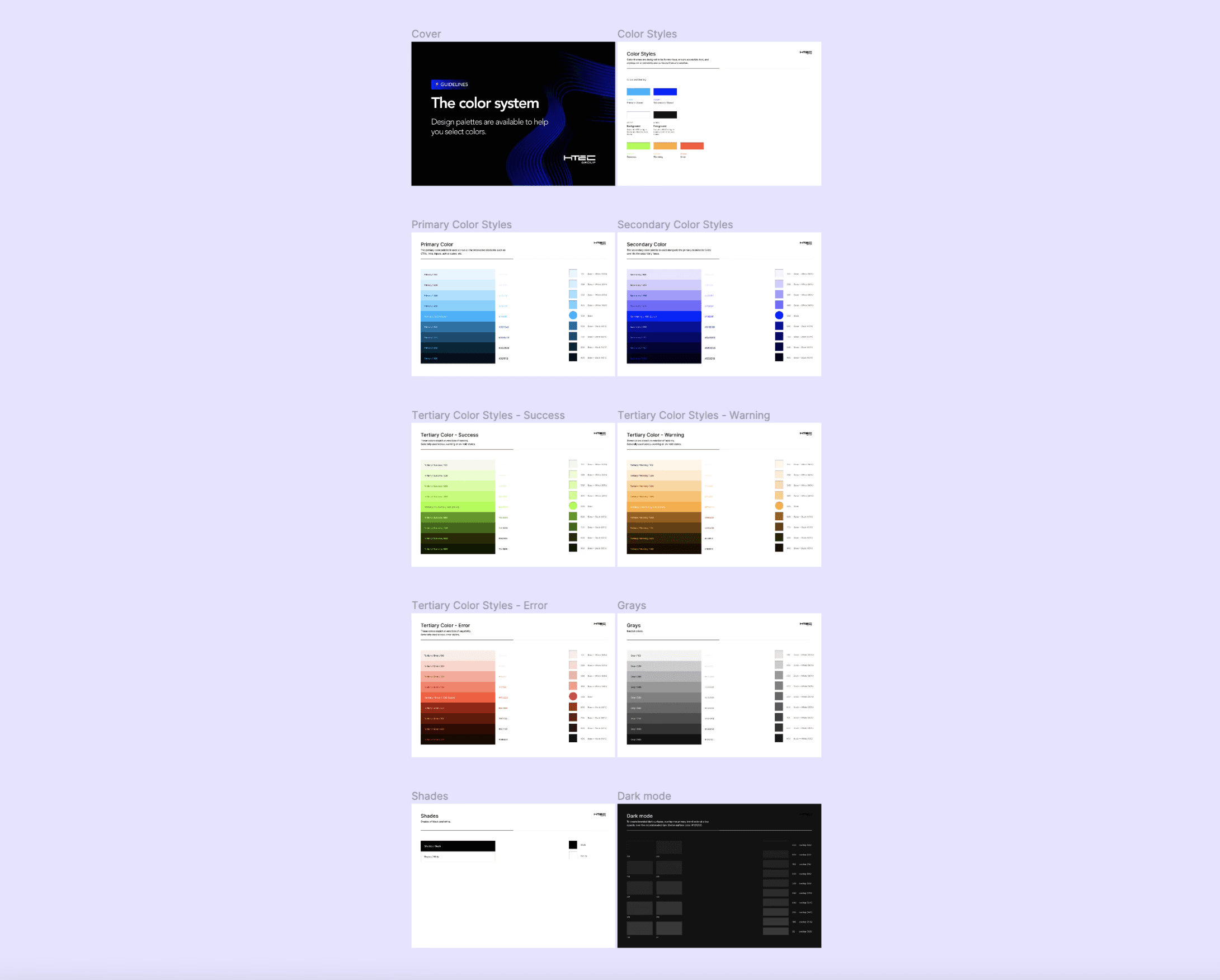
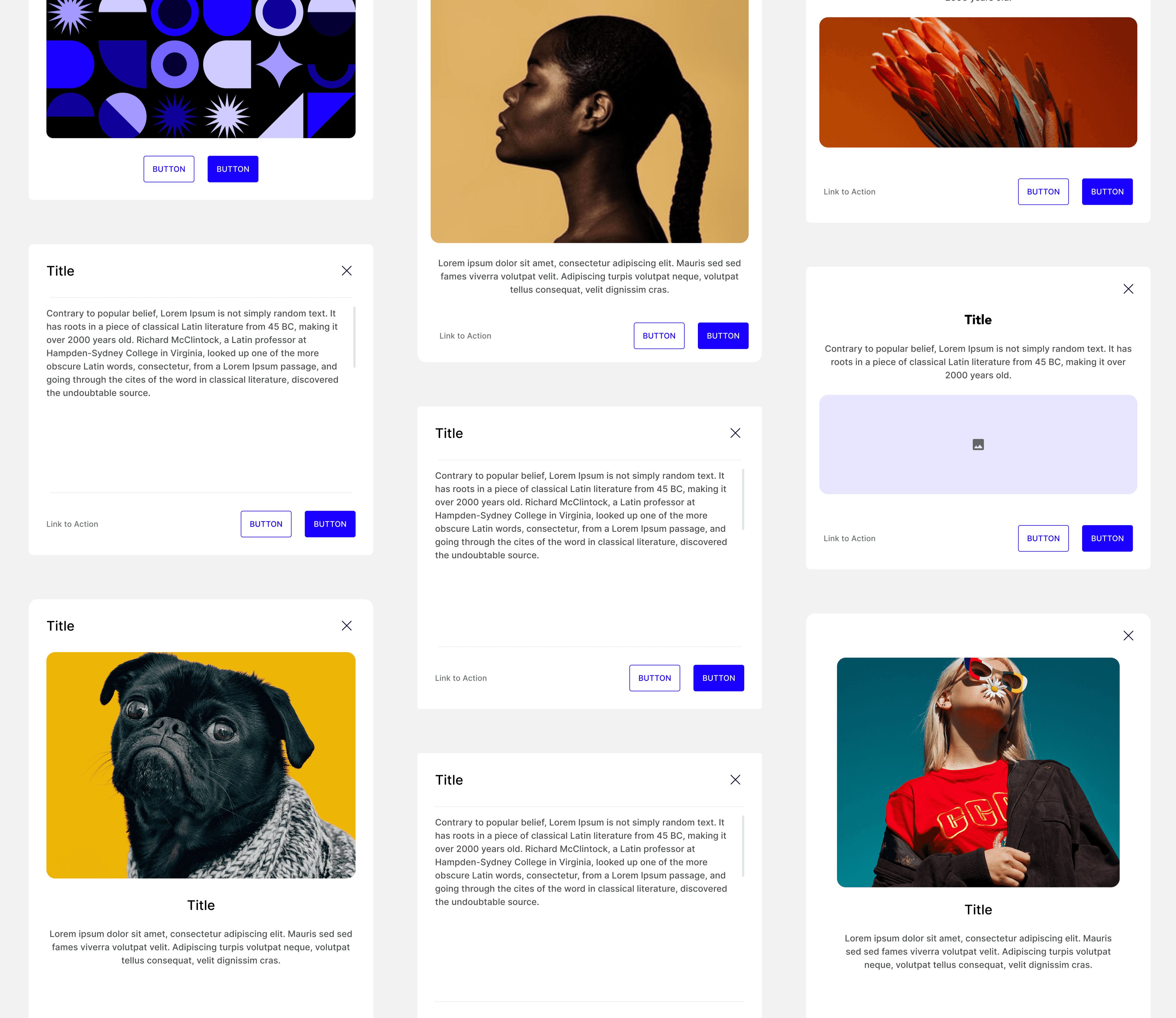
The biggest value is in reusability. Pre-made components reduce the need to build from scratch, allowing designers to focus on complex problems like user flows and interactions.
03
Approaches to Design Systems
There are 3 main approaches:
Implementing an existing design system.
Customizing an existing design system.
Creating a custom design system.
Each has pros and cons, but more customization generally means higher costs and longer timelines. A custom design system is ideal for projects with unique needs not covered by existing solutions.

04
Design System Delivery
This reusable design system was shared with all designers in the company through:
Multiple Figma files.
Open-source files.
Monthly updates on OneDrive.
We’ve provided two plans:
Basic and Advanced, ensuring accessibility and flexibility for different needs.